
If you are wondering at what age a child should start martial arts, you are not alone. Many parents want to introduce their children to a structured activity that builds confidence, discipline, and fitness, but are unsure when the right time is.
The truth is, there is no single “perfect” age. The best starting point depends on your child’s development, confidence, and ability to follow basic instructions. However, martial arts programmes are typically designed to suit specific age groups, making it easier to find the right fit.
In this guide, we will break down the ideal starting ages, what your child can expect at each stage, and how to choose the right class.

What Age Should a Child Start Martial Arts?
The most common starting point for martial arts for kids is between the ages of 3 and 5. At this stage, children begin to develop coordination, listening skills, and the ability to take part in structured activities.
However, this does not mean older children cannot start. In fact, many children begin their journey at 6, 8, or even later and still progress quickly.
Here is a general guideline:
- Ages 3 to 5, focus on movement, listening, and basic coordination
- Ages 6 to 9, introduction to technique and structured learning
- Ages 10 to 12, more advanced skills, discipline, and progression
- Ages 13+, structured training with increased focus and intensity
At New City Martial Arts, classes are designed around these age groups to ensure children train in a way that suits their development.
You can explore age-specific options such as Ninja classes (ages 6 to 9) for younger children.
Is 3 or 4 Too Young to Start Martial Arts?
One of the most common questions parents ask is whether their child is too young.
In reality, starting kids’ martial arts classes at age 3 or 4 can be highly beneficial, but only if the class is structured correctly.
At this age, classes are not about fighting or complex techniques. Instead, they focus on:
- Basic movement and coordination
- Listening and following instructions
- Social interaction with other children
- Building confidence in a safe environment
These early sessions lay the foundation for future learning while helping children develop essential life skills.
What Are the Benefits of Starting Martial Arts Early?
Introducing your child to martial arts at a young age can have long-term benefits that go beyond physical fitness.
Some of the key benefits include:
- Improved confidence and self-esteem
- Better focus and discipline
- Increased physical activity and coordination
- Respect for instructors and peers
- A structured routine outside of school
According to the NHS, children should engage in regular physical activity to support both physical and mental wellbeing.
Martial arts provides a structured and engaging way to achieve this while also developing important character traits.

What If My Child Starts Later?
If your child is older, there is no disadvantage to starting later. Many parents search for when kids should start martial arts and assume they have missed the ideal window, but this is not the case.
Older children often:
- Learn techniques more quickly
- Understand instructions better
- Progress faster through structured programmes
Classes such as Ninja classes and Cadets programmes are designed to support children who are starting later, ensuring they feel comfortable and confident from the beginning.
How Do You Know If Your Child Is Ready?
Rather than focusing only on age, it is important to look for signs that your child is ready for classes.
Your child may be ready if they can:
- Follow simple instructions
- Focus for short periods of time
- Interact with other children
- Participate in group activities
If your child is shy or lacks confidence, martial arts can actually help them develop these skills in a supportive environment.
What Happens in a Kids Martial Arts Class?
Understanding what to expect can help parents feel more confident when choosing a gym.
A typical class includes:
Warm-Up and Movement
Children take part in simple exercises to improve coordination and prepare their bodies for training.
Basic Techniques
Instructors introduce simple movements such as punches, kicks, and positioning in a safe and controlled way.
Games and Activities
Fun drills are used to keep children engaged while developing key skills.
Discipline and Structure
Children learn to listen, follow instructions, and respect the class environment.
This structured approach ensures children are learning while enjoying the experience.
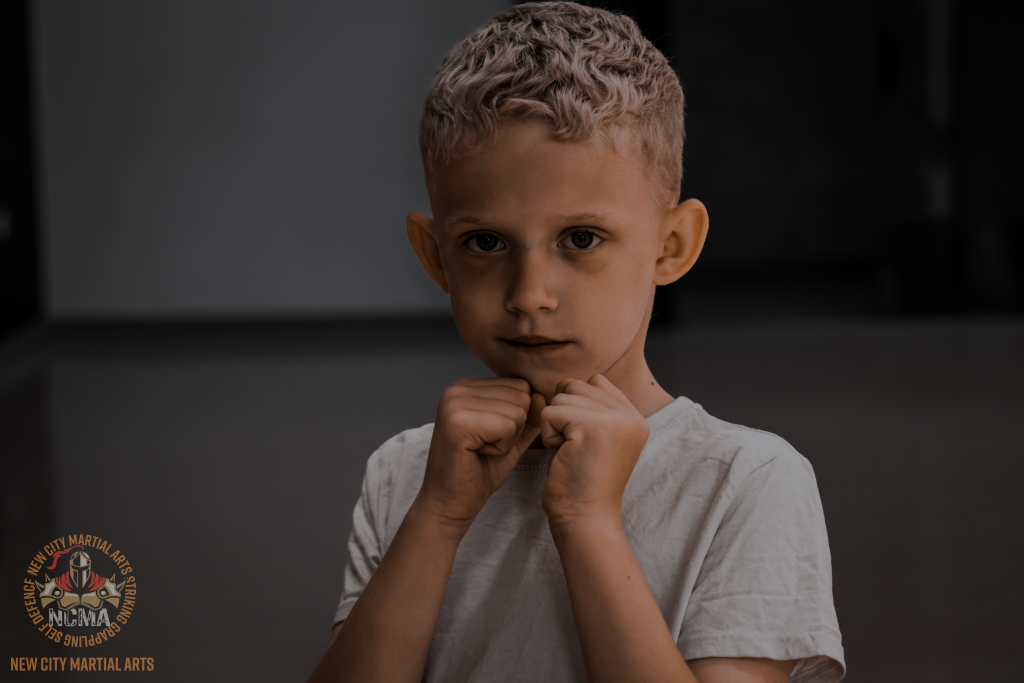
Why Environment Matters When Choosing a Martial Arts Class
The environment plays a major role in your child’s experience. A well-structured programme should be:
- Safe and supervised at all times
- Led by experienced, DBS-checked instructors
- Structured with clear progression
- Supportive and encouraging
At New City Martial Arts, classes are delivered in a professional and organised setting. You can learn more about the training environment on the gym and training environment page.
Final Thoughts - When Should Your Child Start Martial Arts?
So, at what age should a child start martial arts?
The answer depends on your child, but for most families, starting between ages 3 and 6 provides the best foundation. However, it is never too late to begin, and children of all ages can benefit from structured martial arts training.
The key is choosing a class that is safe, supportive, and designed for your child’s development.
If you are considering getting started, the best next step is to experience a class in person.

